Finally

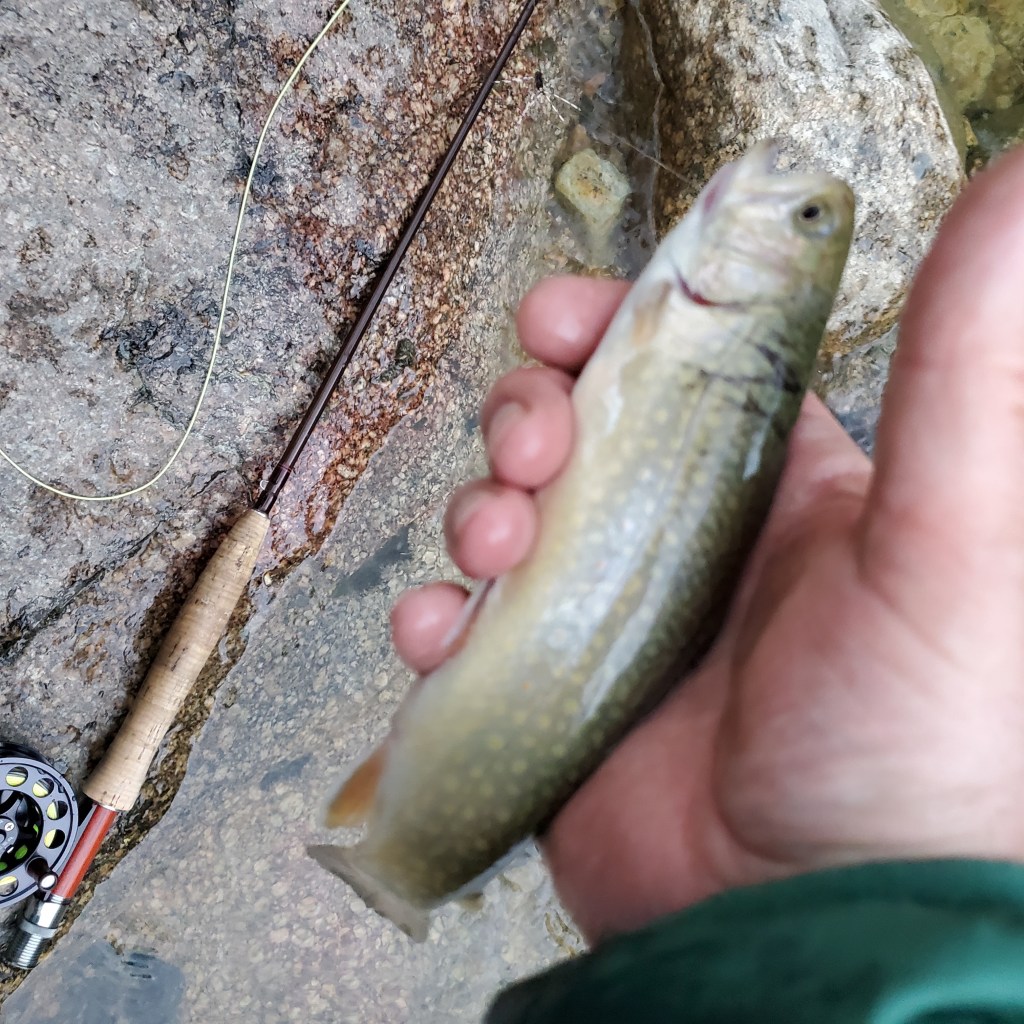
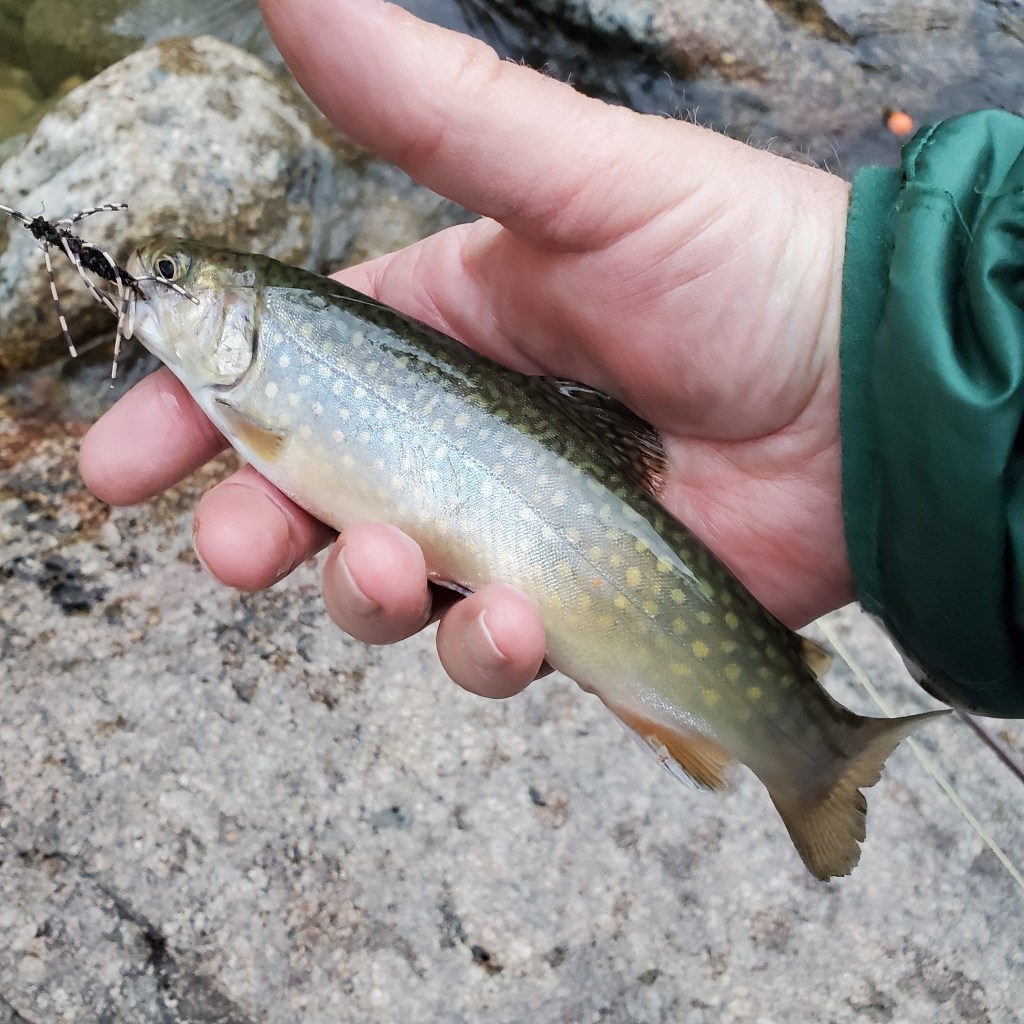
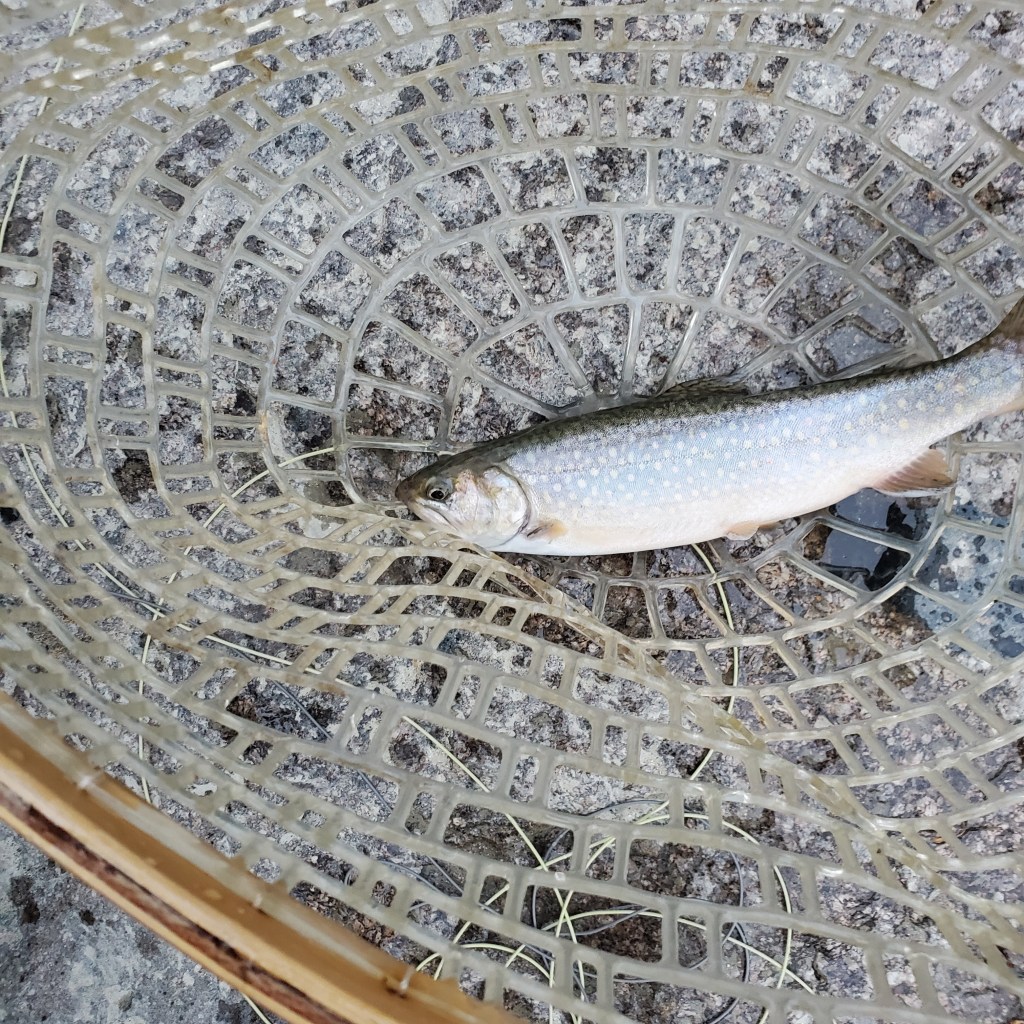
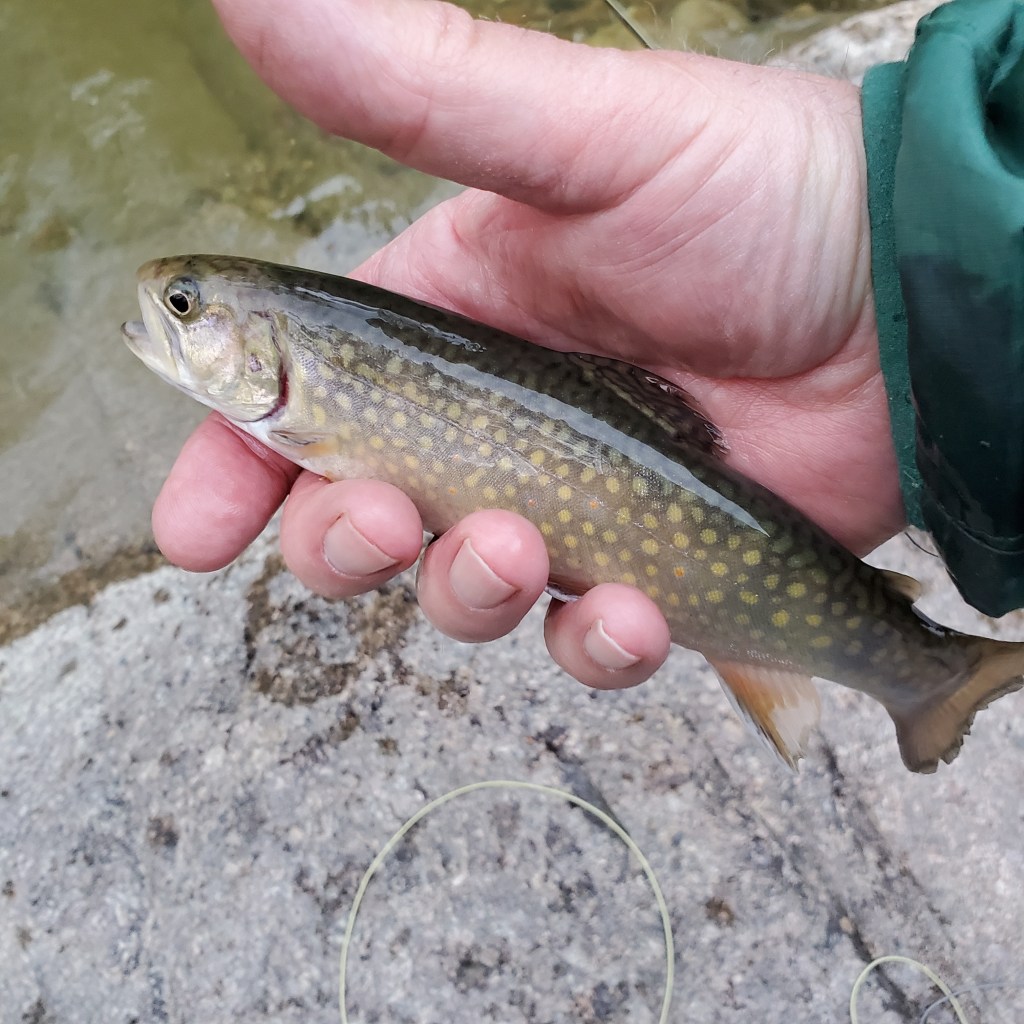
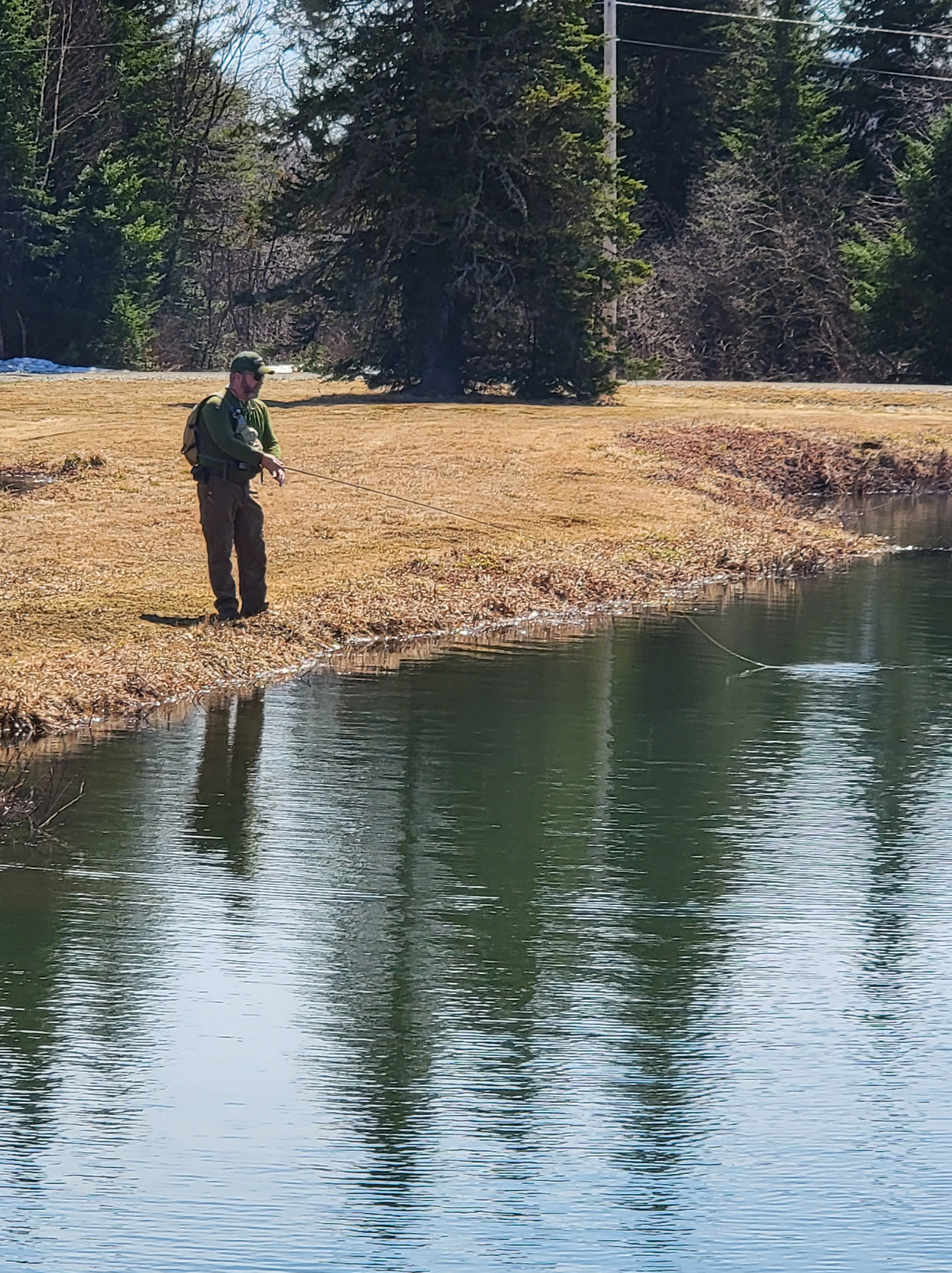
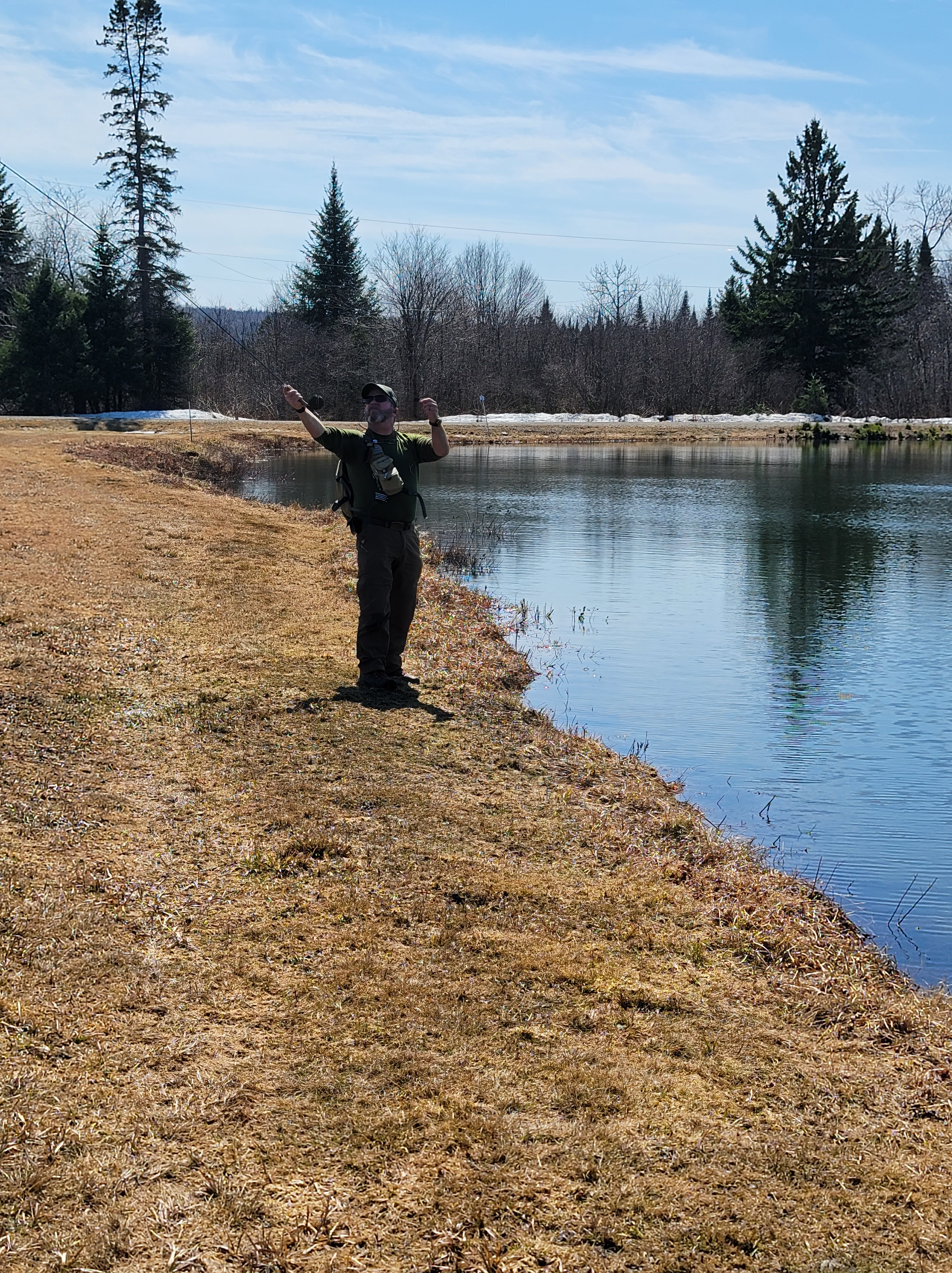
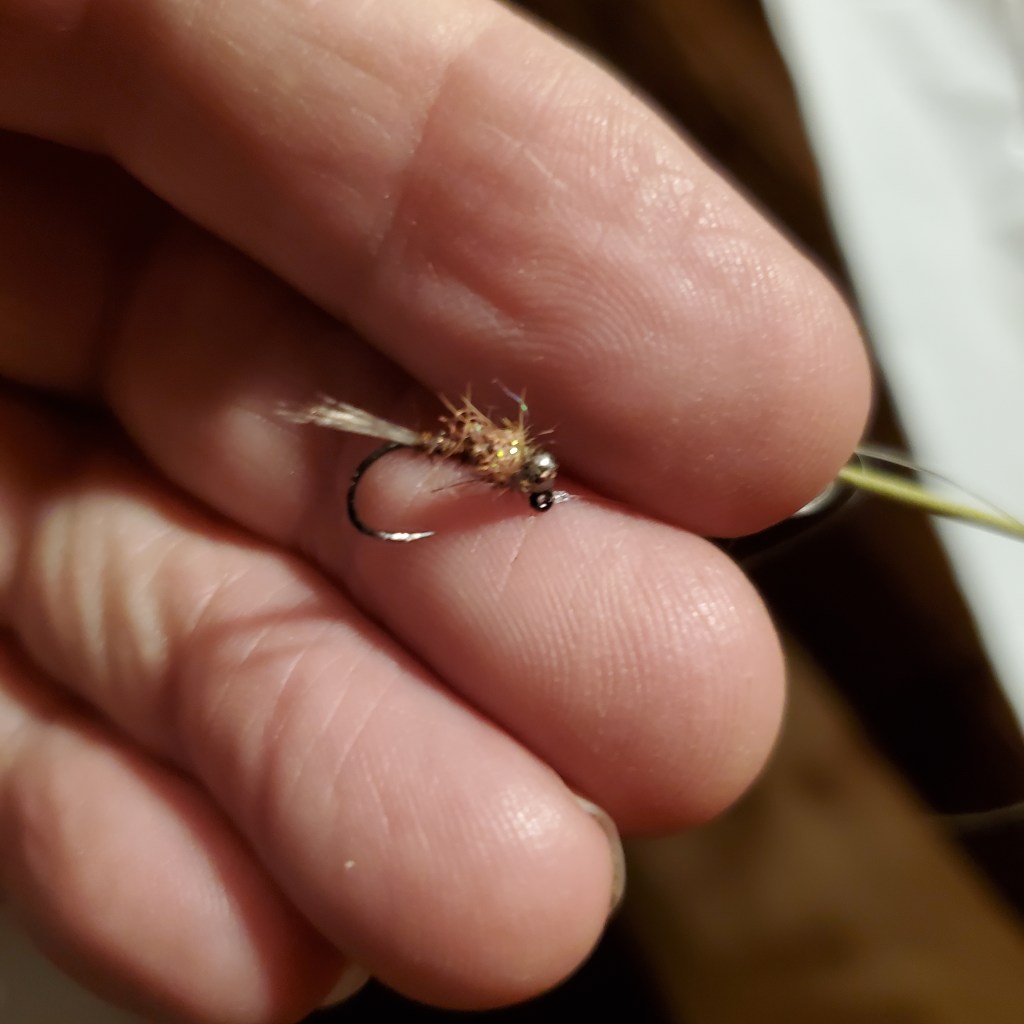
I got a little fishing in this evening. My first trip. After dinner I went across the street to the East Branch of the Saco. I have not done well here, but I that I’d give it a try. I didn’t even put on waders. I got 7 brookies in about a hour. Most were caught on a pheasant tail jig fly with a pink collar. One took a larger Pat’s rubber legs stone fly nymph. The water was about 55 degrees. I fished until I could not see to untangle my leader. A good night.
We are a little behind.

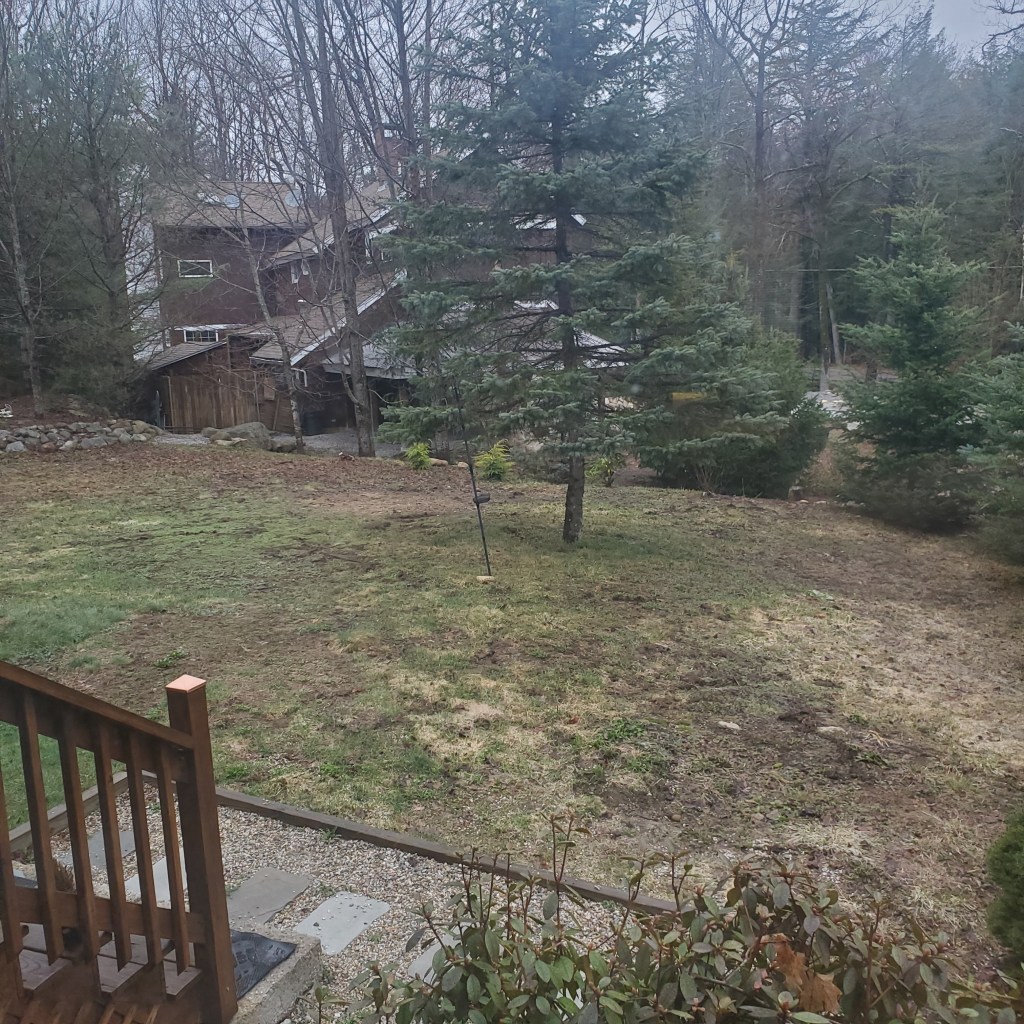
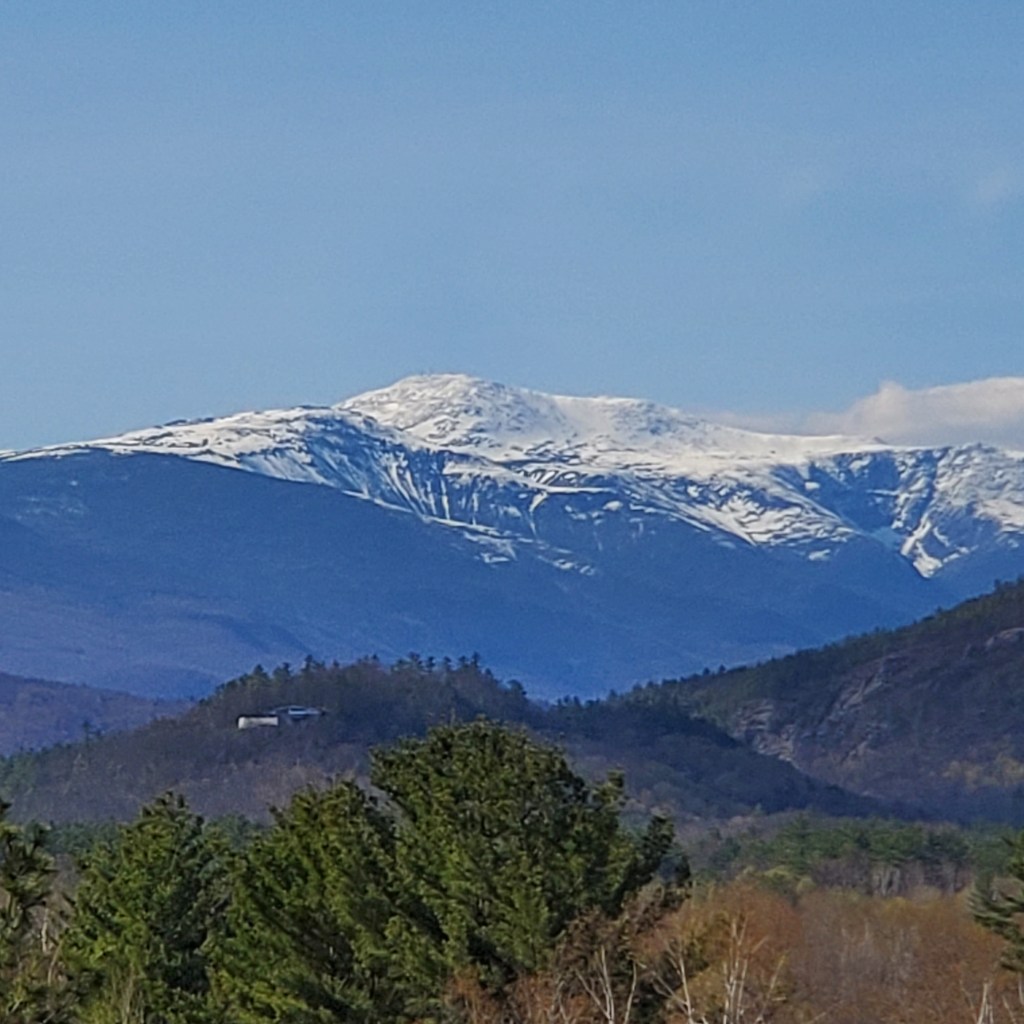
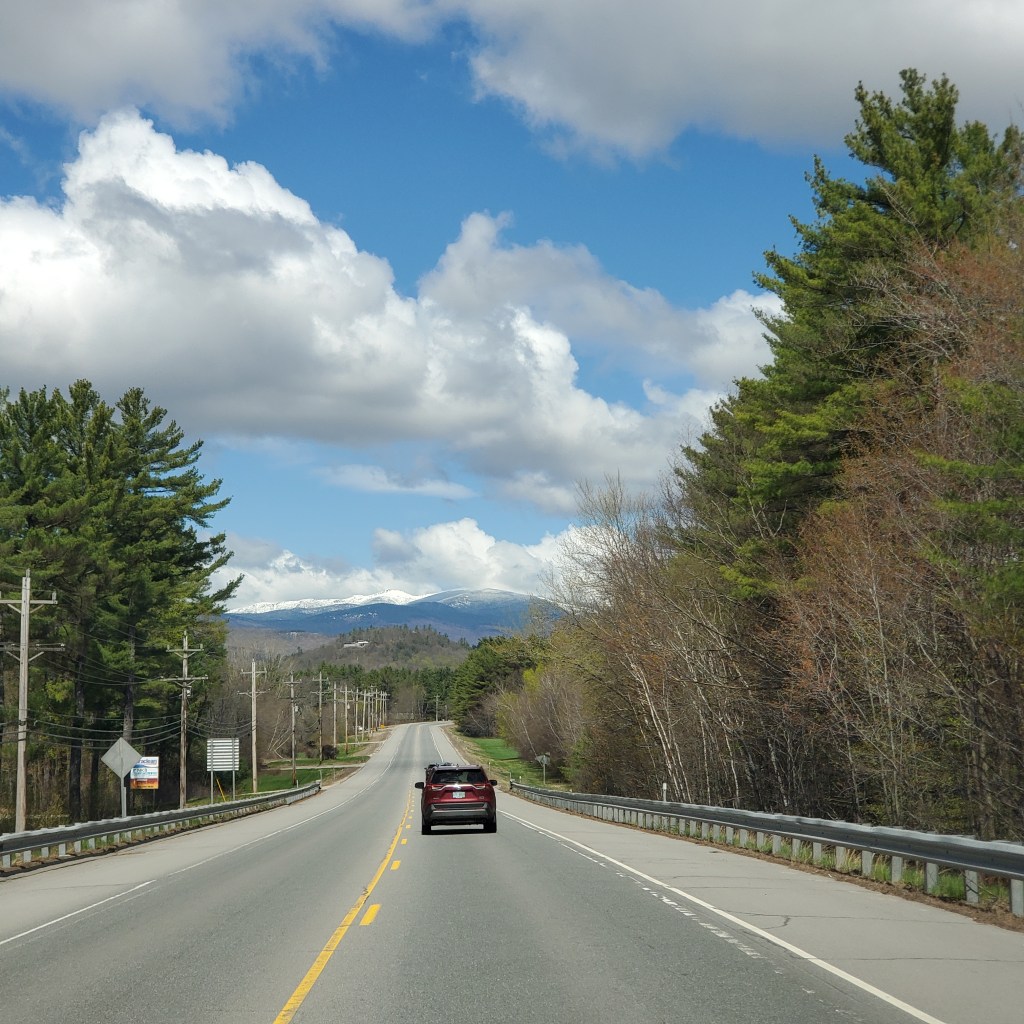
So I believe spring has finally sprung here in the White Mountains. I have really been chomping at the bit to go fishing. The weather and mother nature have not been super cooperative. And I truly believe that “fishing season” really starts about a month and a half later than it does in New Jersey. All the fish porn the guys from New Jersey are posting are driving me mad.

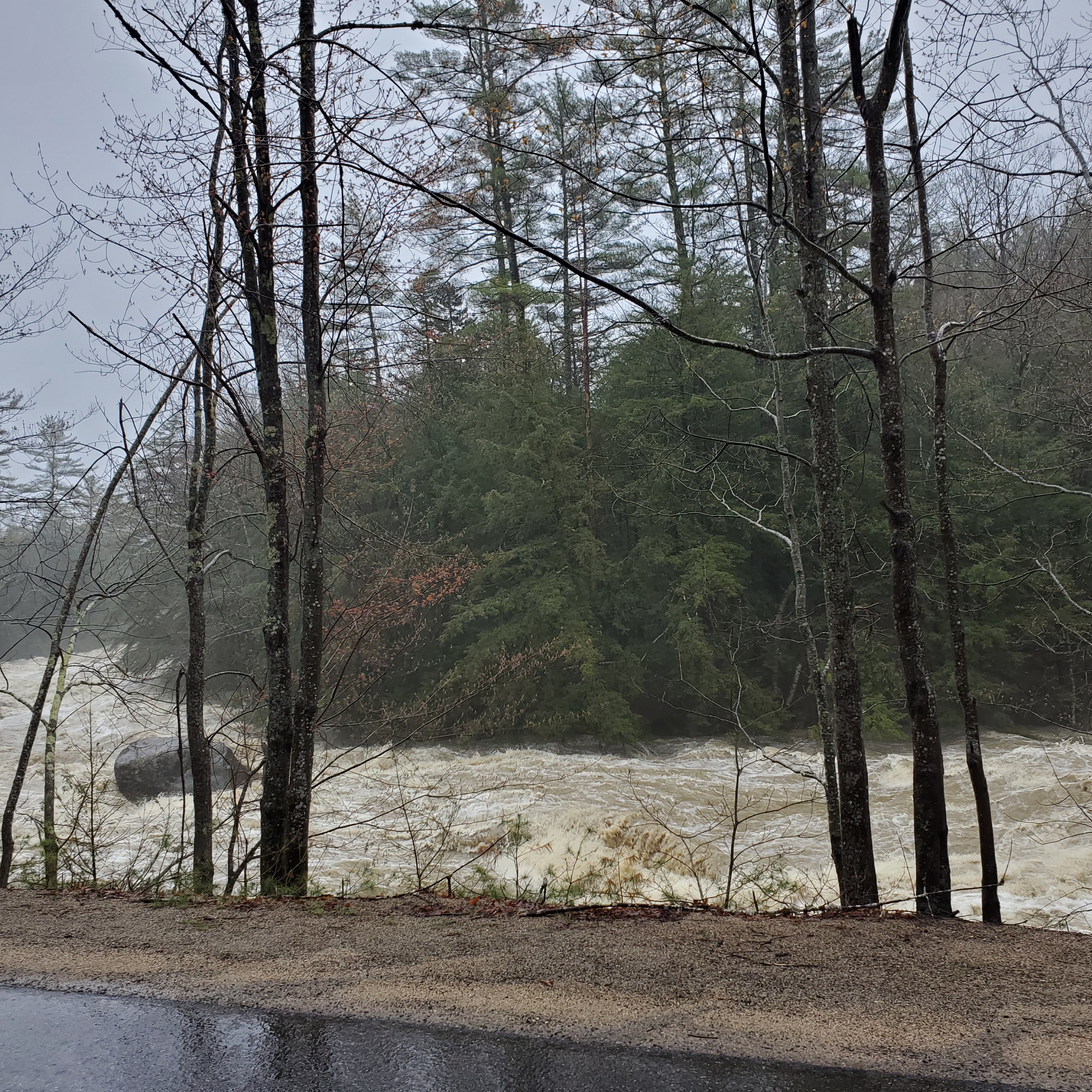
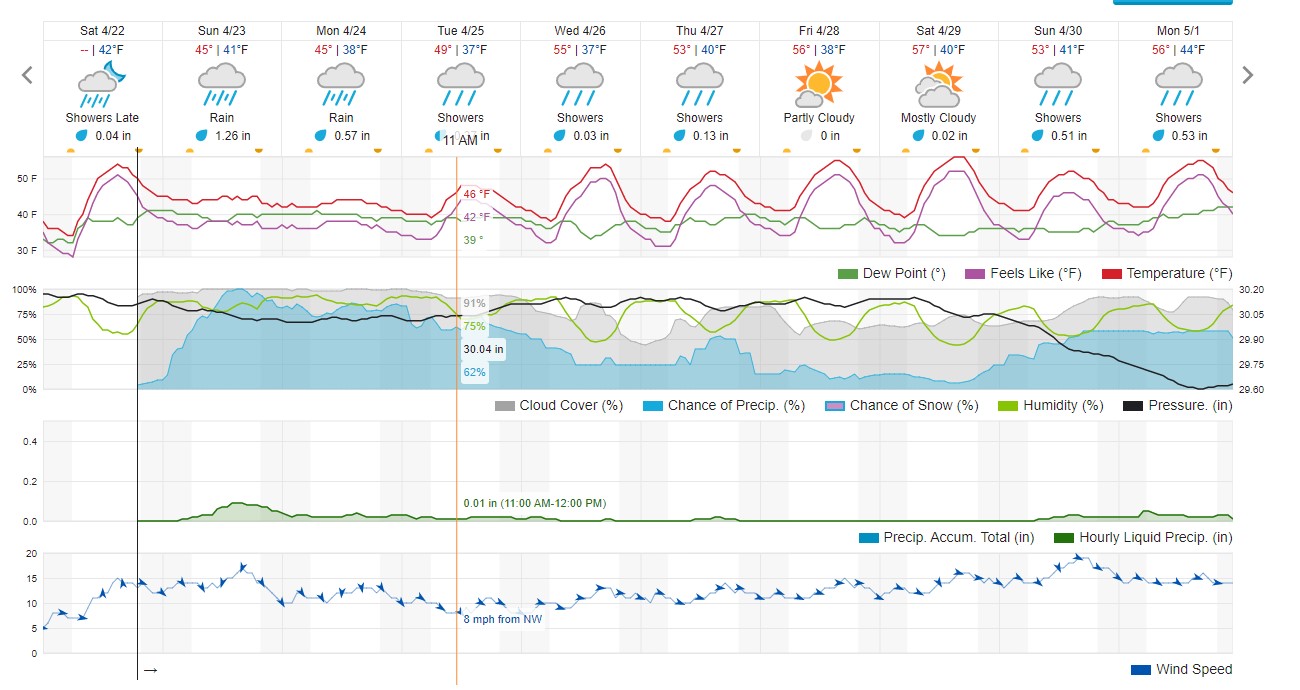
Water temperatures remain quite low probably because of snow melt. We have also had a 7 inches of rain in a 3-day period rain event. Most of the rivers I would fish have remained quite blown out.

Most of the people I speak to here who are in to know about fly fishing have told me that the season really doesn’t kick off till after Mother’s Day. We will see.

Squirrel and Herl Bugger

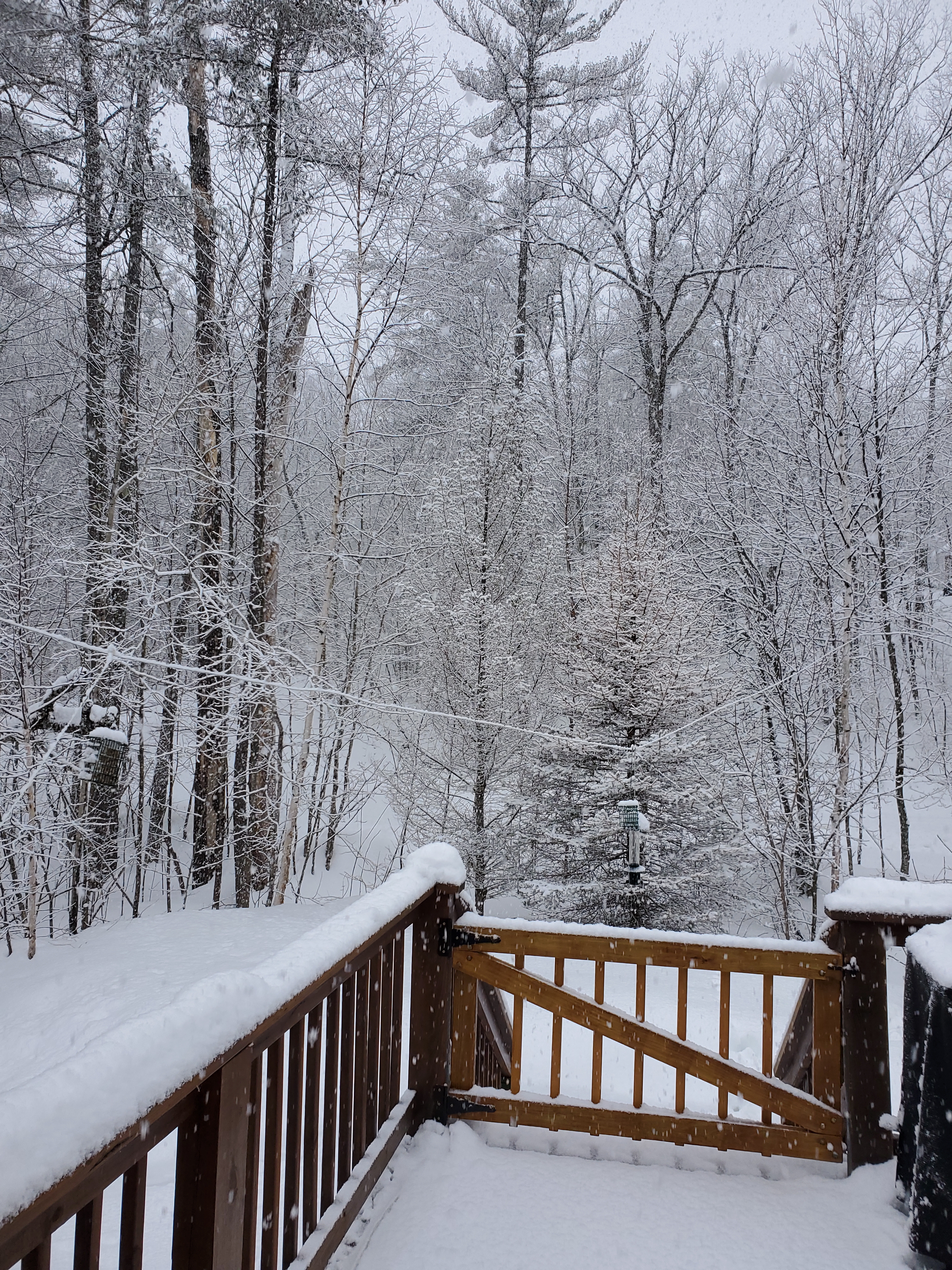
Tying up some streamers tonight. I hope to swing some of these through some of the deeper holes in the Saco River. Until now, I would have needed snowshoes to get to the river. Warmer temps and some rain are doing a good job melting the snow.

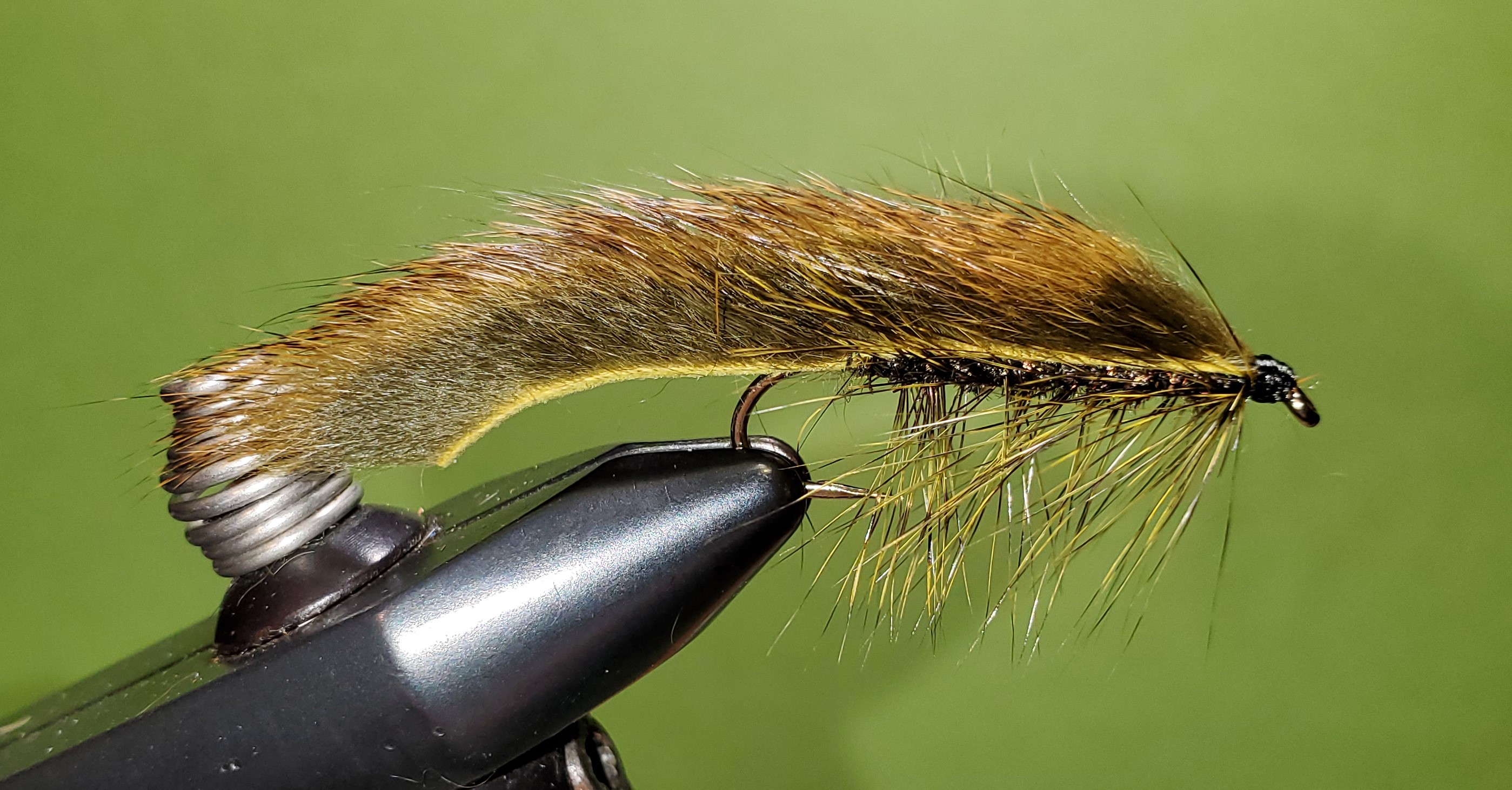
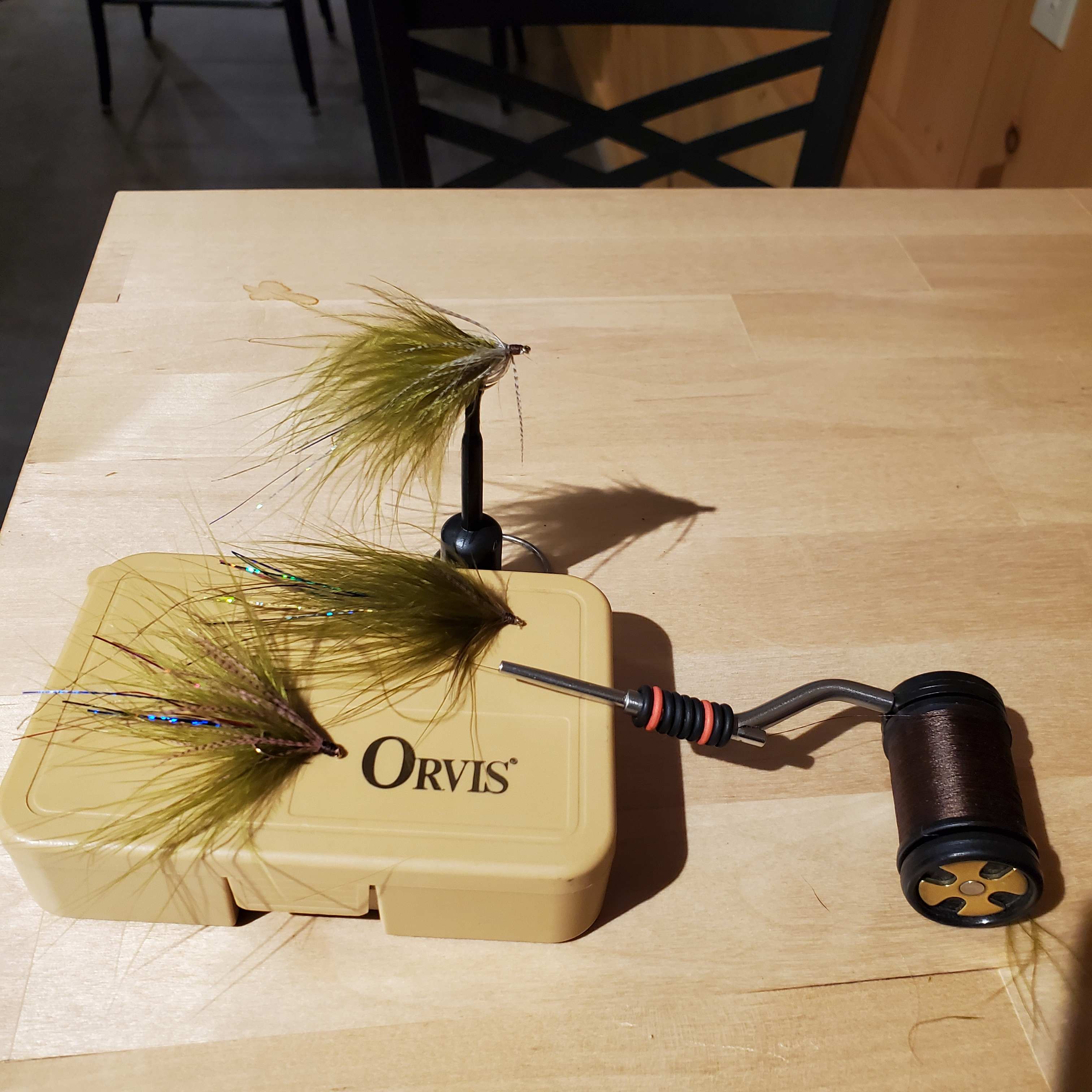
This is the Squirrel and Herl Bugger. It is basically a wooly bugger with a pine squirrel zonker strip wing in place of the marabou tail. This is a size 8, 3x long streamer hook, peacock herl, and an olive-dyed grizzly hackle. I use an olive-dyed pine squirrel zonker strip for the wing. you could use a natural-colored strip as well. The squirrel strip has just the right length fibers for this size fly. This is an easy fly-to-tie so you can tie up quite a few before you finish your beer.

I think this should look like the sculpin and minnows that swim around the rocking bottom of the Saco. Wish me luck.

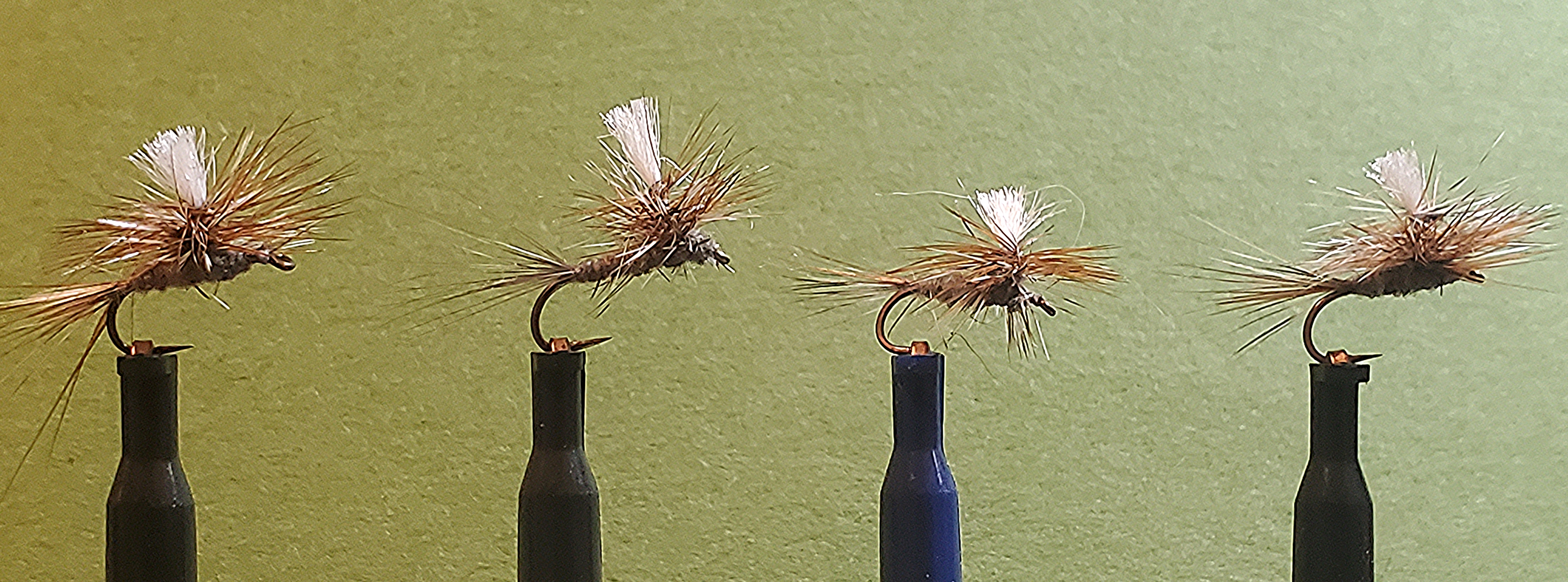
Parachute Adams

The Adams dry fly is a very popular dry fly. As a matter of fact, it is the best-selling fly worldwide. The parachute version is a few percentage points higher in popularity. It is considered a general imitation of an adult mayfly, flying caddis, or midge. It can be used to imitate a lot of different bugs by changing up the size. The parachute fly sits lower in the water than the traditional hackled tie. To a hungry trout, it looks like an easy meal stuck in the surface film of the water.

I find this style fly a bit difficult to tie. Probably because I don’t tie it often. I find it cumbersome to make the wing post. These are size 16 with a combination of brown and badger hackles for the parachute and tail. All these flies will fish. As you can see none of these will be mounted in a shadow box frame and displayed on my office wall. I tie to fish, not decorate so it’s all good.

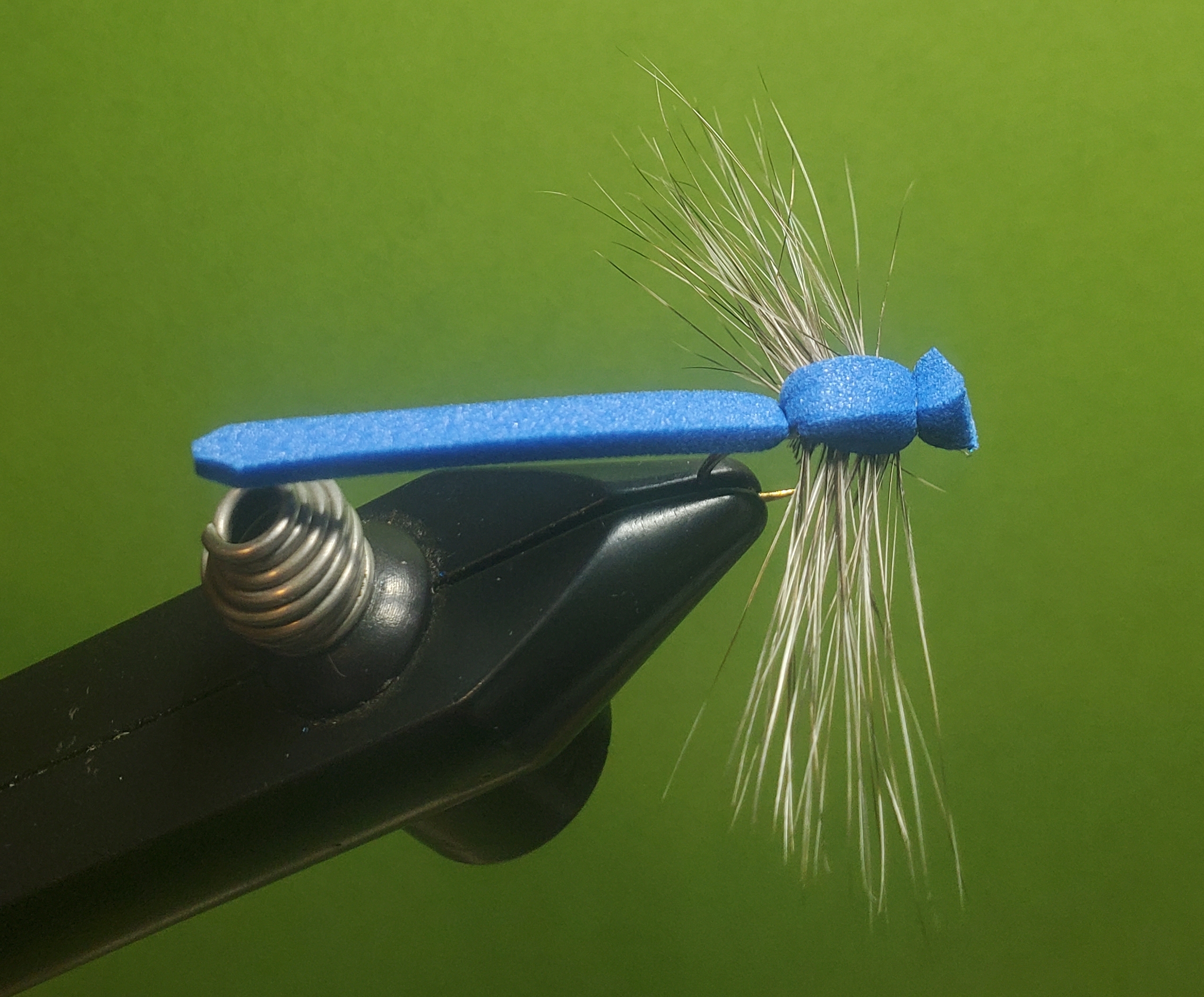
Damsels Flies

I like tying simple flies. I lose a lot of flies when I fish. So spending more than a few minutes tying a fly and then losing it on my first cast is just too frustrating.

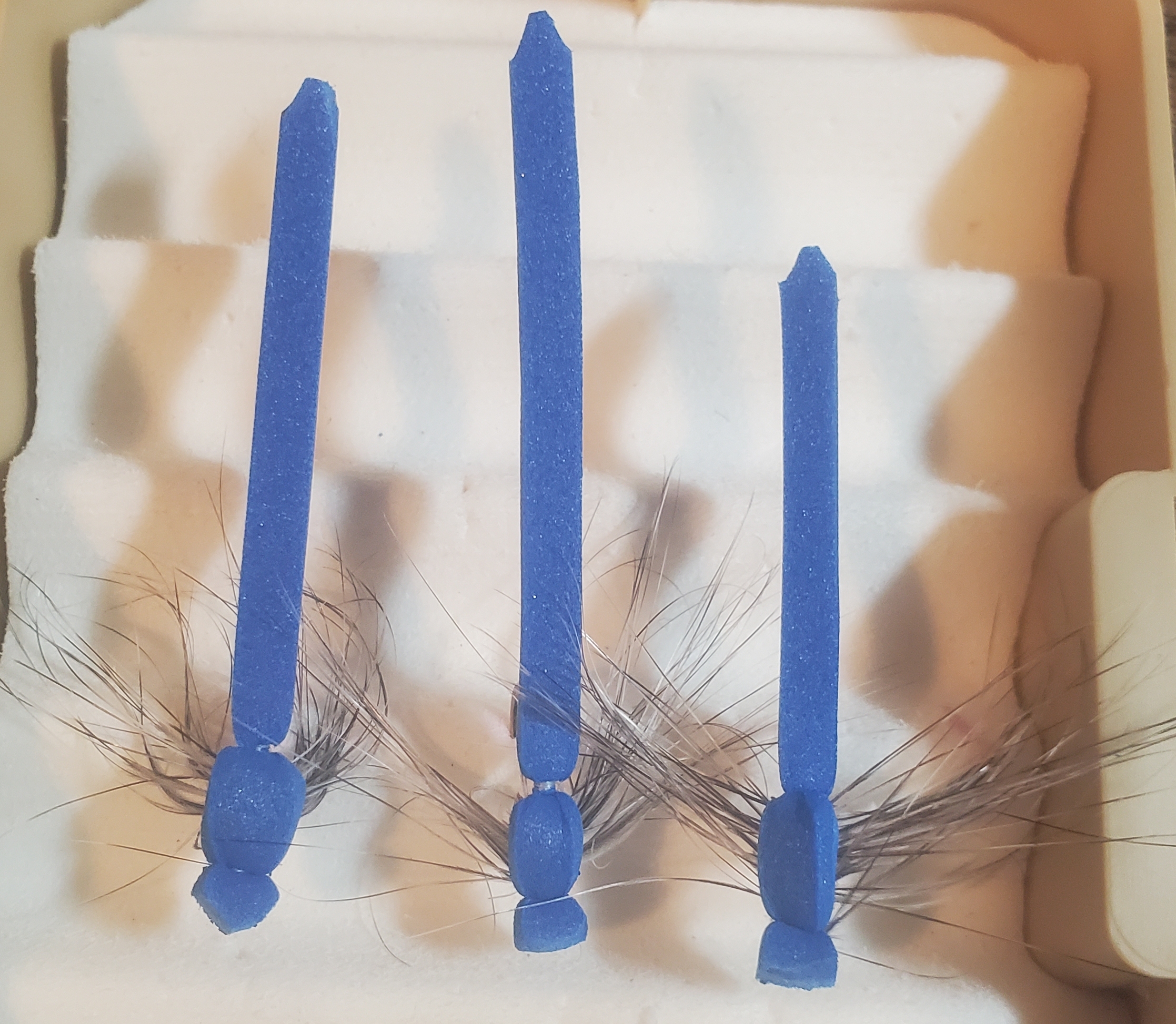
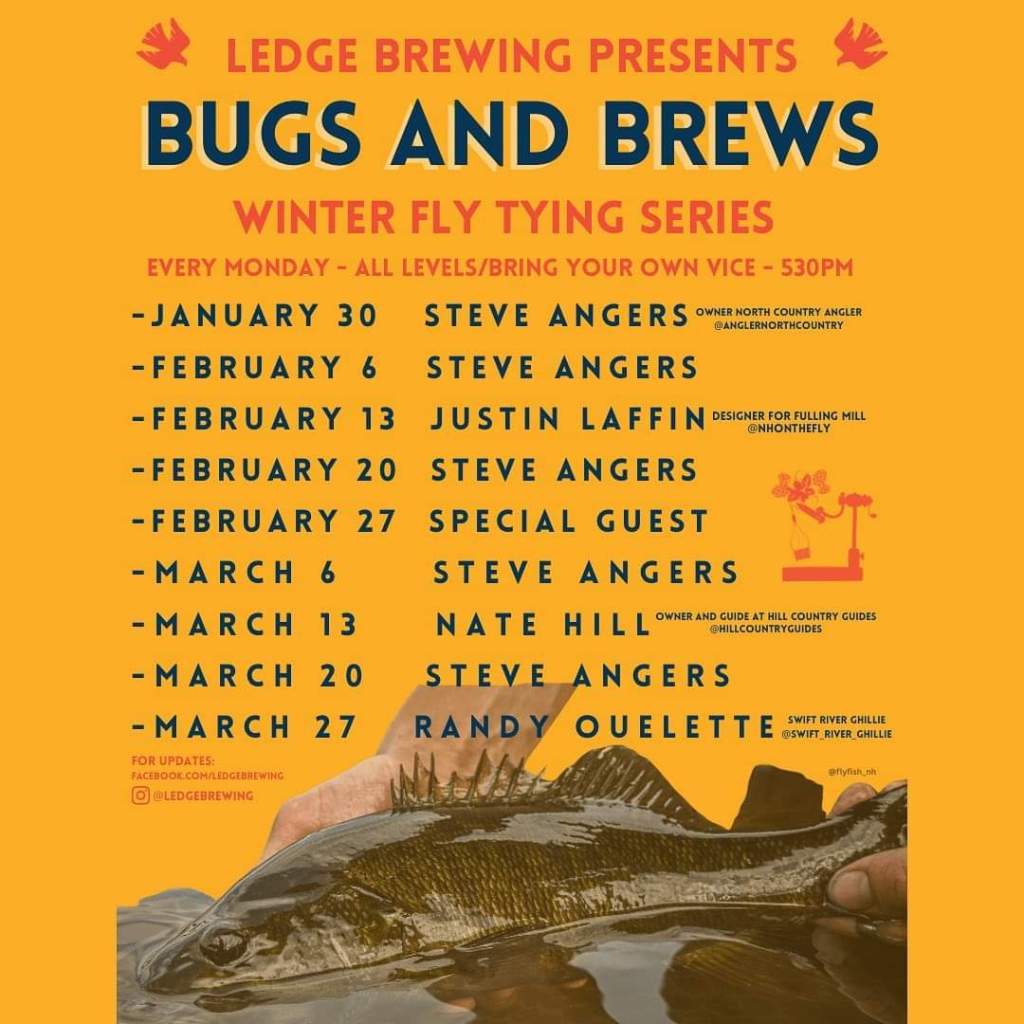
I was very happy that Steve Anger from North Country Angler, taught this simple and fast damsel fly dry last night at “Bugs and Brews”. Two materials some craft foam and a large grizzly hackle.

The pictured flies are a size 14 for brook trout in the local mountain ponds. I think if I vary the sizes, They will work for brook trout in small sizes and larger sizes for Bass.

Spring Fever?

Here I am suffering from a bit of Spring Fever. I’m reading nothing but fishing literature, tying flies, and buying equipment in preparation for spring fishing. People from New Jersey are posting pictures of all the trout they are catching.

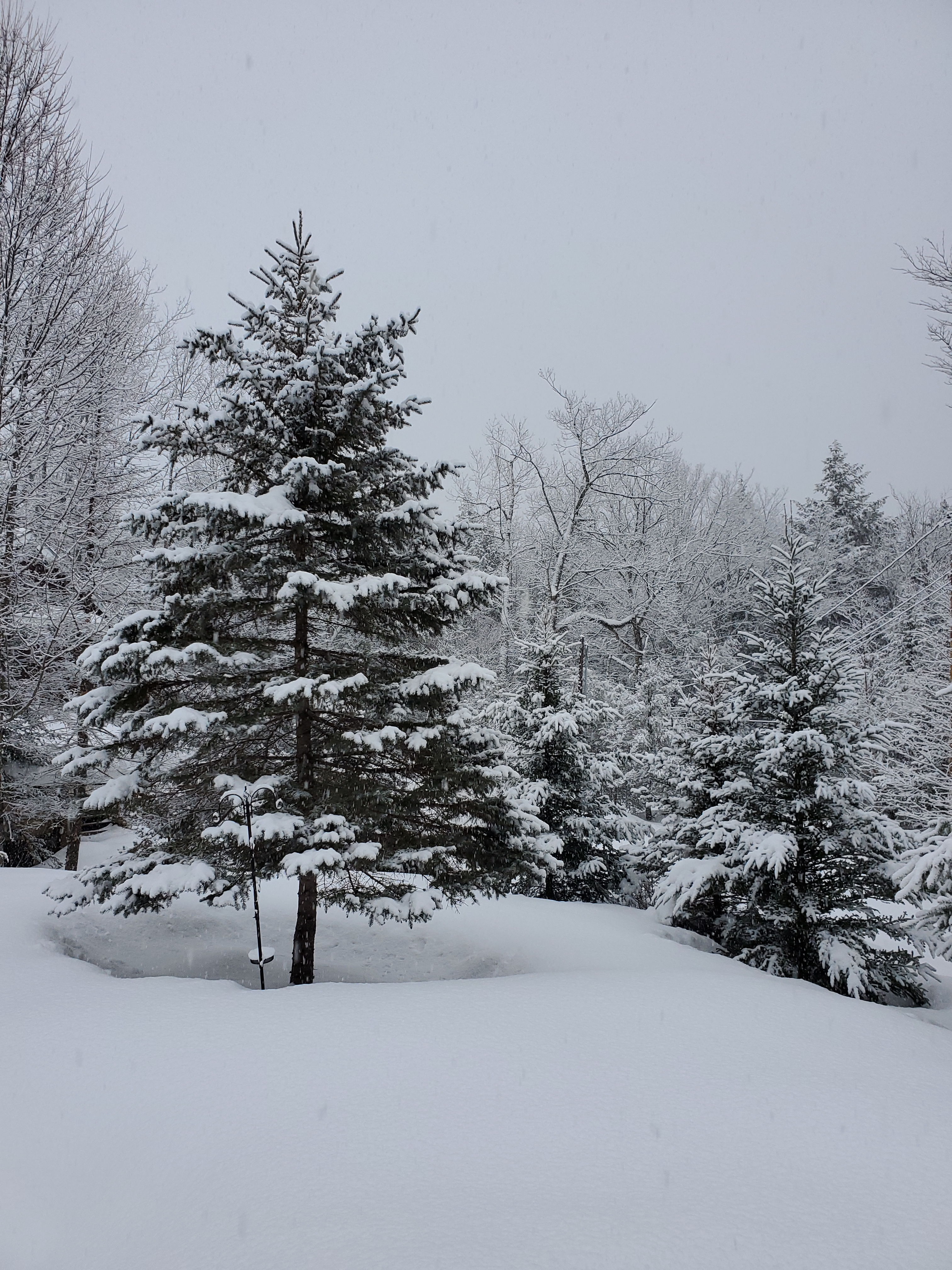
I woke up this morning to another snowy morning. We had 12+ inches on Monday and a forecast for another 10 inches Friday into Saturday. Mother Nature has waited until the end of winter to hit us with all the snow. I really am thinking of strapping on my snow shoes so that I can get to the river to swing some streamers.

Soft Hackle Streamers

Here is another sample of what we tied at Bugs and Brews. Steve Angers from North Country Angler led the class, and we tied a Jack Gartside Soft Hackle Streamer. We tied this pattern before we tied the Game Changer, which is also tied in the round. I am really enjoying these streamers tied in the round. I had become so stuck tying traditional streamers with a tinsel body and a hair wing, like the Black Nose Dace and Mickey Finn. The Soft Hackle Streamer is a much easier fly to tie than the Game Changer. I think I will tie a bunch up in different colors and sizes to fill my boxes.

Game Changer

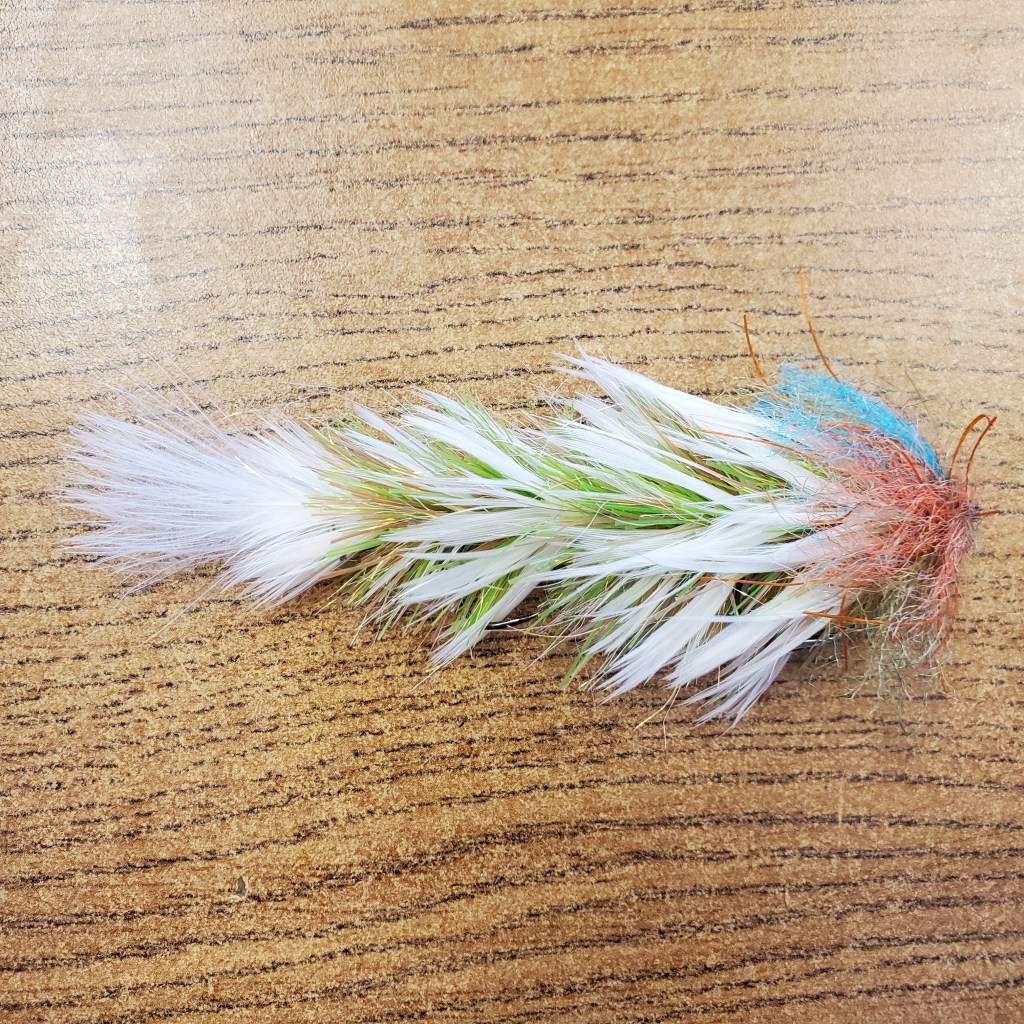
At the Monday Night “Bugs and Brews” at Ledge Brewery here in Intervale, we learn to tie a fly pattern based on the “Game Changer” Justin Laffin a local guide in southern New Hampshire, walked us through his version of the pattern. It is a complicated fly only because there are so many sections and steps. However, the steps are just repeated so once you know the routine it’s not that difficult. I don’t know whether I’ll tie this fly on a regular basis but it certainly was fun to learn to tie it.

The original “Game Changer” was first tied by Blane Chocklett. It is an articulating streamer pattern. Basically, when you tie this pattern it’s four separate flies hooked together with shank sections. Two hooks and two shank sections. It has become more of a style of fly rather than a single pattern. My example here is a bit rough but I got the idea. In a mini version in olive and brown should match the small bait fish in my local mountain streams.